

How Do Electrocution Accidents Happen on Construction Sites?
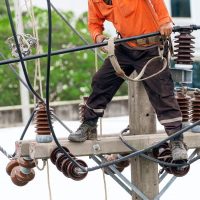
An active construction site has a lot going on, and it is important to stay vigilant and follow best safety practices to minimize the risk of injury. Of the many ways that a construction worker can be hurt while on the job, electrocution incidents are one of the leading causes of fatalities reported on construction sites across the country. Whenever a construction worker comes into contact with a live electrical source, they will experience an electrical current passing through their body, and this painful experience can cause severe injuries and death. Between power tools, temporary wiring, and heavy machinery, there are many ways that an electrocution incident on a construction site can happen.
Suppose you were harmed in an electrocution incident while at work, you may be entitled to compensation for all of the harm you had to endure. Call the construction accident lawyer at Monaco Law PC to discuss your case and learn more about your ability to recover compensation.
Top Causes of Electrocution Accidents on Construction Sites
The risk of electrocution on construction sites is ever-present. The best way of preventing these dangerous and even deadly incidents is to first understand how they happen. The top causes of electrocution accidents include the following:
Contact with Overhead Buried Power Lines
Overhead and underground high voltage powerlines can cause fatal shocks when a worker accidentally makes contact with one. Workers who operate on scaffolding or ladders can be exposed to power lines overhead. In contrast, others who dig in areas of a construction site before identifying if underground lines exist can easily hit a live cable and be electrocuted.
Improper Use of Electrical Equipment
Knowing how to use electrical equipment correctly is critical. When electrical tools are used improperly, such as operating them in wet environments, they can pose serious risks of electrocution. Workers who remove safety guards or who have no experience or training with such equipment are vulnerable to being hurt badly in an electrical accident.
Faulty and Damaged Wiring
It is common for construction sites to use temporary electrical setups, and it is also typical that these involve exposed wiring, extension cords, and temporary lighting. Over time, cords can become damaged from constant foot traffic and movement, which can expose workers to live wires. When wiring is not installed properly, there is poor maintenance, or circuits are overloaded, the threat of an electrical fire increases significantly.
Inadequate Lockout
Before working on or repairing a machine or electrical system, it is critical that lockout procedures are followed. Such procedures ensure that tools and electricity are shut off so that they are not live when a worker does maintenance or makes adjustments. A failure to completely cut off electricity to an electrical system or machine can have deadly consequences to a worker who believes that they are working with a circuit that is off when it is not.
Poor Grounding
Equipment and circuits that are poorly grounded can shoot electrical currents through a worker’s body, and this is especially true if the worker is standing in water or touching metal surfaces.
Speak to a New Jersey and Pennsylvania Personal Injury Attorney Today
Call our wrongful death an personal injury lawyer at Monaco Law PC at (609) 277-3166 for our New Jersey office and (215) 546-3166 for our Pennsylvania office to discuss your case today.
We serve Atlantic County, Bucks County, Burlington County, Cape May County, Camden County, Chester County, Cumberland County, Delaware County, Gloucester County, Mercer County, Middlesex County, Monroe County, Montgomery County, Philadelphia, Ocean County, Salem County, Susquehanna County and all of New Jersey.
Source:
osha.gov/electrical
