

Car Accidents on Route 130 in South Jersey: Preserving Evidence After a Collision
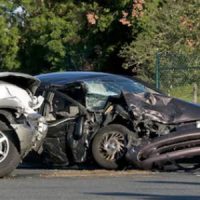
Route 130 runs through busy South Jersey communities, with shopping centers, residential neighborhoods, and major intersections bringing different types of traffic together. A collision along this roadway can leave someone facing painful injuries, unexpected medical expenses, and the loss of a vehicle needed for work or family responsibilities.
While those concerns take priority, the accident scene changes quickly. Damaged vehicles are removed, traffic resumes, and witnesses continue on their way. When the drivers later disagree about what happened, information that was available immediately after the crash may already be difficult to recover. An experienced South Jersey car accident lawyer can evaluate how the circumstances of a collision affect liability under New Jersey law.
What Can Be Lost After a Route 130 Collision
At a busy intersection, two drivers may remember the same collision differently. One recalls entering on a green light, while the other insists the signal had already changed. Neither account necessarily captures everything that happened in the seconds before impact.
Photographs taken at the scene may show where the vehicles stopped, the location of the damage, and nearby traffic controls. A witness waiting at the intersection might remember which vehicle entered first. Together, those details can provide a clearer account than either driver’s statement alone.
Not everyone has an opportunity to document a collision. Someone transported to the hospital may leave before photographs are taken or witnesses are identified. Even those who remain at the scene may be too shaken to recall every detail, especially while dealing with injuries or concerned family members.
Police documentation and other available records may help fill those gaps. The absence of photographs taken immediately after a crash does not mean that the events cannot be examined later.
Witness accounts can be especially difficult to recover once people leave. A motorist who stopped to help may have observed the collision, but without contact information, locating that person weeks afterward could be difficult.
Preserving Evidence While Dealing With the Aftermath
By the time a damaged car reaches a towing facility, the roadway has usually been cleared. Photographs taken before the vehicles were moved may show their positions after impact, while later images can document damage before repairs begin. Towing records, repair estimates, and insurance documentation may also establish the vehicle’s condition following the collision.
The police report often provides the first written account of the accident, although it may be incomplete. Responding officers generally arrive after the crash and rely partly on statements from those involved. If someone was transported to the hospital before speaking with police, their version of events may be missing. New Jersey’s accident reporting requirements are addressed under N.J.S.A. 39:4-130.
Businesses along Route 130 may have security cameras overlooking parking lot entrances, intersections, or nearby lanes. Footage could show a vehicle turning across traffic or changing lanes immediately before impact. Because some recording systems automatically overwrite older footage, a potentially valuable recording may disappear before an insurance dispute develops. An attorney can arrange an appropriate preservation request when relevant footage is identified.
Dashcam recordings offer another perspective, particularly when the drivers disagree about the movements of surrounding vehicles. Original footage may contain moments leading up to the collision that are missing from a shortened clip.
In a serious accident, the damaged vehicle itself may warrant examination before it is released for salvage. A qualified reconstruction specialist can assess damage patterns, and some vehicles contain event data recorders that store limited information about speed, braking, or other activity around the time of impact. Accessing that information requires appropriate equipment and authorization, and the available data varies by vehicle.
When the Other Driver Gives a Different Account
A collision involving a left turn across Route 130 can raise questions about whether the turning driver yielded or the approaching vehicle was traveling too fast. If both drivers blame each other, photographs, witness accounts, or video footage may reveal details that were missing from their initial statements.
New Jersey’s comparative negligence law, N.J.S.A. 2A:15-5.1, allows responsibility to be divided when more than one party contributes to an accident. Compensation is reduced according to the claimant’s percentage of fault, and recovery is generally barred when that percentage exceeds the combined negligence of the parties from whom damages are sought.
An insurer might argue that a driver was partly responsible for a crash based on a disputed lane change or an alleged failure to yield. A recording showing the vehicles’ movements, or a witness who observed the collision, may contradict that account.
Even the police report may leave questions unresolved. An officer who did not witness the impact may have recorded conflicting statements without being able to determine exactly how the collision occurred. Independent evidence can provide details that neither driver mentioned at the scene.
The Effects of an Accident Don’t End at the Roadside
Someone recovering from a Route 130 collision may face weeks of medical treatment while trying to manage work and family responsibilities. A back injury can make a physically demanding job impossible, while concussion symptoms may interfere with concentration and everyday activities.
Recovery does not always follow the timeline initially expected. Pain that seemed manageable shortly after the crash may persist, requiring additional appointments or rehabilitation. Missed work and transportation expenses can add financial pressure during an already difficult period.
Medical records and employment documentation can show how an injury affected someone’s health and earnings over time. These details become particularly relevant when an insurer argues that treatment was unnecessary, questions the duration of recovery, or disputes the income lost because of the accident.
The medical consequences may take months to become clear, even though evidence about the collision itself can disappear much sooner. This difference is especially significant in crashes involving serious injuries and disputed fault.
Why Delays Can Affect a Car Accident Claim
New Jersey generally allows two years to file a personal injury lawsuit under N.J.S.A. 2A:14-2, subject to applicable exceptions. Claims involving public entities may have earlier notice requirements, including the generally applicable 90-day period under N.J.S.A. 59:8-8.
Surveillance footage may be overwritten long before those deadlines. A vehicle may be transferred to a salvage facility, and witnesses who were available immediately after the crash may become difficult to locate.
For someone dealing with surgery, rehabilitation, or an extended absence from work, those changes may happen while attention is understandably focused on recovery. The passage of time can leave an insurance dispute dependent on incomplete records or conflicting recollections.
Consulting with a South Jersey car accident lawyer can help address an insurer’s attempt to minimize the severity of injuries or the financial losses resulting from a collision.
Contact Monaco Law About a Car Accident
When drivers disagree about how a car accident happened, photographs, witness accounts, and other evidence can become central to establishing responsibility. Monaco Law PC understands the difficulties of recovering from serious injuries while dealing with an insurance claim and is prepared to advocate for clients when fault is disputed.
With more than 35 years of trial experience, Attorney Joseph Monaco represents injured clients throughout South Jersey and New Jersey. If you or a loved one has been injured in a collision, contact Monaco Law PC to speak with an experienced South Jersey car accident lawyer and learn how we can fight for the compensation you deserve.
Source:
- New Jersey Legislature. N.J.S.A. 39:4-130 — Accident Reporting Requirements. https://lis.njleg.state.nj.us/nxt/gateway.dll/statutes/1/32680/33724
- New Jersey Legislature. N.J.S.A. 2A:15-5.1 — Comparative Negligence. https://lis.njleg.state.nj.us/nxt/gateway.dll/statutes/1/112/352
- New Jersey Legislature. N.J.S.A. 2A:14-2 — Personal Injury Filing Deadline. https://lis.njleg.state.nj.us/nxt/gateway.dll/statutes/1/112/308
- New Jersey Revised Statutes. N.J.S.A. 59:8-8 — Time for Presentation of Claims. https://law.justia.com/codes/new-jersey/title-59/section-59-8-8/
- National Highway Traffic Safety Administration. Event Data Recorder. https://www.nhtsa.gov/research-data/event-data-recorder
