

The Role of Vehicle Defects in Fatal Car Accident Claims
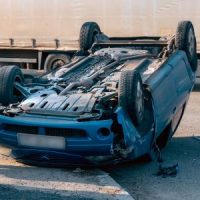
Losing a loved one in a fatal car accident is devastating, especially when the cause of the collision remains unclear. Families may be left with unanswered questions about what happened, whether the crash could have been prevented, and who may be responsible. While driver negligence is a common focus of accident investigations, dangerous vehicle defects can also contribute to fatal collisions.
Defective brakes, steering systems, tires, airbags, and other safety components can cause drivers to lose control or leave occupants vulnerable to fatal injuries. These failures are not always apparent at the crash scene. Working with an experienced South Jersey fatal car accident lawyer can help establish whether a vehicle defect contributed to the death and whether a manufacturer or another party may be held liable under New Jersey law.
How Vehicle Defects Can Contribute to Fatal Car Accidents
Modern vehicles rely on interconnected mechanical and electronic systems to maintain control and protect occupants during collisions. A failure in one of these systems can have catastrophic consequences, particularly when a driver has little time to recognize or respond to the malfunction.
Defective braking systems may prevent a vehicle from stopping in time to avoid a collision, while steering failures can cause sudden, unpredictable changes in direction. Tire defects, including tread separation or structural weaknesses, can lead to a loss of control at highway speeds. Malfunctions involving acceleration systems or electronic stability controls may also contribute to serious crashes.
Other defects may not cause the initial collision but can make the resulting injuries more severe. Airbags that fail to deploy, defective seat belts, or weaknesses in a vehicle’s structural design may compromise occupant protection during an impact. A manufacturer may face liability when a defective safety component contributes to a death, even if another driver’s negligence caused the collision.
When a Vehicle Manufacturer May Be Liable Under New Jersey Law
New Jersey’s Product Liability Act, N.J.S.A. 2A:58C-1 through 2A:58C-11, governs claims involving defective products, including motor vehicles and automotive components. Under N.J.S.A. 2A:58C-2, a manufacturer or seller may be held liable when a product causes harm because it deviated from manufacturing specifications, lacked adequate warnings or instructions, or was defectively designed.
A successful claim must establish a legally recognized defect and a causal connection between that defect and the fatal injury. The requirements vary depending on whether the claim involves manufacturing, design, or inadequate warnings.
Manufacturing Defects and Defective Vehicle Design
A manufacturing defect occurs when a vehicle or component differs from its intended specifications or otherwise identical products. An improperly assembled brake component or a tire weakened during production may create a serious safety hazard even when the original product design is sound.
Design defects involve hazards associated with the product’s design rather than an isolated manufacturing error. A vehicle may be manufactured exactly as intended yet still contain a design that creates an unreasonable risk of injury. Depending on the circumstances, a design defect claim may involve whether a practical, technically feasible alternative design could have reduced or prevented the harm.
Failure to Warn About Vehicle Safety Hazards
Manufacturers may face liability when they fail to provide legally adequate warnings or instructions about certain vehicle safety hazards. These claims can arise when a manufacturer knows or reasonably should know about a dangerous condition but fails to communicate the risk adequately to vehicle owners.
Warnings may be particularly relevant when a known defect requires immediate repair or when continued vehicle operation creates a serious safety risk. Manufacturer communications, owner notifications, and the timing of safety warnings may help establish whether adequate information was provided. A failure-to-warn claim must also establish that the inadequate warning contributed to the fatal injury.
Vehicle Recalls and Their Significance in Fatal Accident Investigations
Vehicle recalls can provide important information when a fatal accident involves a suspected mechanical or safety defect. The National Highway Traffic Safety Administration (NHTSA) maintains records of vehicle safety recalls, manufacturer communications, and consumer complaints involving potentially dangerous automotive components.
Recall records may reveal whether other vehicles experienced similar failures, when a manufacturer became aware of a safety concern, and what corrective measures were recommended. A recall involving defective airbags, braking systems, or steering components may also help establish a history of problems involving the same vehicle or component.
A recall alone does not establish liability. The affected vehicle must have contained a relevant defect that contributed to the fatal injury. Vehicles can also contain dangerous defects that have not been formally recalled, so the absence of a recall does not rule out a potential product liability claim.
Why Preserving the Vehicle Matters After a Fatal Crash
The damaged vehicle may contain some of the most important evidence in a fatal accident investigation. Physical components can reveal whether a mechanical failure occurred before the collision, while electronic systems may retain information about vehicle speed, braking, and other conditions immediately preceding the impact.
Automotive engineers and accident reconstruction specialists may examine the brakes, steering mechanisms, tires, restraint systems, and structural damage. Severe impacts can damage mechanical components in ways that resemble preexisting failures, making expert analysis essential to distinguishing crash-related damage from an underlying defect.
Preserving the vehicle in its post-accident condition can protect evidence needed to evaluate these questions. Vehicles held at towing facilities, impound lots, or insurance storage locations may be moved, dismantled, or destroyed before a complete inspection takes place. Once critical components or electronic records are lost, establishing what occurred may become substantially more difficult.
How Vehicle Defects Affect Wrongful Death and Survivorship Claims
When a defective vehicle contributes to a fatal accident, surviving family members may have grounds to pursue compensation through claims governed by New Jersey’s product liability and wrongful death laws. The available claims depend on the circumstances of the collision, the relationship of the surviving beneficiaries to the deceased, and the losses resulting from the death.
Under New Jersey’s Wrongful Death Act, N.J.S.A. 2A:31-1 through 2A:31-6, eligible beneficiaries may recover qualifying financial losses resulting from a loved one’s death. These can include lost financial support, the monetary value of household services, and the pecuniary value of lost guidance, care, and assistance. N.J.S.A. 2A:31-5 also permits recovery of qualifying hospital, medical, and funeral expenses associated with the death.
Although the emotional impact of losing a loved one can be profound, damages for grief and emotional suffering alone are generally not recoverable under New Jersey’s Wrongful Death Act. The law focuses primarily on the financial and other recognized pecuniary losses suffered by surviving beneficiaries.
A separate survivorship action may be available under N.J.S.A. 2A:15-3. This claim preserves certain rights the deceased could have pursued had they survived, including potentially recoverable damages for conscious pain and suffering between the injury and death. The statute also addresses reasonable funeral and burial expenses, subject to avoiding duplicate recovery. Medical records, witness accounts, and evidence concerning the deceased’s condition following the collision may be relevant to determining the compensation available.
Establishing Responsibility When Multiple Factors Contributed to the Death
Fatal car accidents can involve overlapping causes, including driver negligence and defective vehicle components. A speeding driver may lose control after a tire failure, or a collision caused by another motorist may result in fatal injuries because a defective seat belt failed to restrain an occupant.
New Jersey’s Comparative Negligence Act, N.J.S.A. 2A:15-5.1 through 2A:15-5.8, may affect how responsibility is allocated when multiple parties contributed to an accident. Product liability claims also involve specialized causation requirements and defenses. The involvement of a negligent driver does not automatically prevent a claim against a manufacturer whose defective product contributed to the death.
When responsibility is disputed, a South Jersey fatal car accident attorney can assess how the evidence supports separate claims against a driver, manufacturer, or other potentially liable party. Distinguishing the causes of the collision from the causes of the fatal injuries may be central to establishing the full scope of legal responsibility.
Contact Monaco Law About a Fatal Car Accident Involving a Vehicle Defect
If you lost a loved one in a fatal car accident and suspect a defective vehicle or safety component played a role, you deserve answers about what caused the tragedy. A fatal collision involving a possible mechanical failure can leave families facing financial uncertainty while questions about responsibility remain unresolved.
Monaco Law PC represents families in fatal car accident claims throughout South Jersey, including Camden, Gloucester, Burlington, and Atlantic counties. Speak with our experienced South Jersey fatal car accident lawyer to discuss the circumstances of your loved one’s death and how our firm can pursue accountability from those responsible.
Source:
- New Jersey Legislature, Product Liability Act, N.J.S.A. 2A:58C-2 https://lis.njleg.state.nj.us/nxt/gateway.dll/statutes/1/112/1827
- New Jersey Legislature, Wrongful Death Act, N.J.S.A. 2A:31-1 https://lis.njleg.state.nj.us/nxt/gateway.dll/statutes/1/112/1006
- New Jersey Legislature, Wrongful Death Damages, N.J.S.A. 2A:31-5 https://lis.njleg.state.nj.us/nxt/gateway.dll/statutes/1/112/1010
- New Jersey Legislature, Survivorship Actions, N.J.S.A. 2A:15-3 https://lis.njleg.state.nj.us/nxt/gateway.dll/statutes/1/112/349
- New Jersey Legislature, Comparative Negligence Act, N.J.S.A. 2A:15-5.1 https://lis.njleg.state.nj.us/nxt/gateway.dll/statutes/1/112/352
- National Highway Traffic Safety Administration, Resources Related to Investigations and Recalls https://www.nhtsa.gov/resources-investigations-recalls
