

Shared Electric Scooter Accidents: Can Rental Companies Be Held Liable?
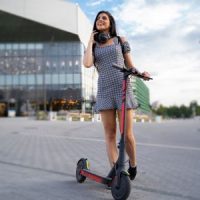
Renting an electric scooter is supposed to be simple. You unlock it through an app, take a short ride, and leave it at an approved location when you’re finished. But when a scooter’s brakes fail, its motor suddenly accelerates, or a mechanical problem causes you to lose control, an ordinary trip can end with a serious injury. What makes the situation even more frustrating is knowing that the scooter may have been unsafe before you ever stepped onto it.
Someone renting an electric scooter trusts that the company has taken care of the equipment between rides. A previous customer may have reported trouble with the brakes, or a mechanical problem may have developed after months of regular use. When those problems go unaddressed, the next rider can suffer serious injuries. An experienced South Jersey scooter accident lawyer can help identify whether an equipment failure was connected to neglected maintenance, an unresolved complaint, or a defect in the scooter itself.
Rental Company Liability for Shared Electric Scooter Accidents
Most scooter rental apps require customers to accept the company’s terms before starting a ride. Those terms may include a liability waiver intended to limit the company’s responsibility for injuries. Following an accident, the rental company may point to that agreement as a reason to deny responsibility.
Riders generally accept these agreements through their phones, often just before unlocking the scooter. Someone may agree to the ordinary risks of riding on public roads without anticipating that the scooter itself has a serious mechanical problem. A malfunction caused by neglected maintenance raises concerns beyond the usual hazards of riding an electric scooter.
New Jersey law recognizes certain liability waivers, but their enforceability has limits. The wording of the agreement and the rental company’s conduct can affect whether the waiver applies, particularly if the company engaged in reckless or more serious misconduct. Accepting the terms through an app does not necessarily prevent someone injured by unsafe equipment from bringing a claim.
Poor Maintenance Can Make Shared Electric Scooters Dangerous
Shared electric scooters endure repeated use by different riders, often on uneven pavement, busy streets, and surfaces exposed to rain or debris. Over time, brakes can wear down, tires can deteriorate, and steering components can loosen. Without regular inspections and appropriate maintenance, these problems may continue developing until a rider experiences a sudden equipment failure.
Brake failures are especially dangerous near intersections or while traveling downhill. A worn tire may lose traction during a turn, while loose handlebars can cause a rider to lose control without warning. Even a relatively low-speed fall can result in broken bones, facial injuries, or a collision with an approaching vehicle.
Rental companies can catch many of these problems during inspections or through complaints submitted by customers. A scooter with worn brakes or a loose steering mechanism may have shown signs of trouble during earlier rides. Leaving that equipment available for the next customer increases the chance that a manageable repair becomes a dangerous failure on the road.
Defective Electric Scooters May Involve Manufacturer Liability
A rental company can keep up with inspections and repairs and still provide a scooter with a dangerous defect. Some problems begin at the factory, long before the equipment becomes part of a rental fleet.
A faulty throttle can make a scooter accelerate without warning. A defective brake component may fail during an ordinary stop, while a weakness in the frame can cause part of the scooter to break during a ride. These problems can put even a careful rider in danger.
New Jersey’s Product Liability Act, N.J.S.A. 2A:58C-2, allows injured riders to bring claims involving defective manufacturing, unsafe designs, or inadequate warnings. A manufacturer may be responsible for a defect built into the scooter, while a rental company could also share responsibility if it continued offering that scooter despite complaints about the problem.
Rental Agreements May Affect an Injury Claim
Most scooter rental apps require customers to accept the company’s terms before starting a ride. Those terms may include a liability waiver intended to limit the company’s responsibility for injuries. Following an accident, the rental company may point to that agreement as a reason to deny responsibility.
Accepting the ordinary risks of riding an electric scooter is different from agreeing to use equipment with a serious safety problem. New Jersey law recognizes certain liability waivers, but their enforceability has limits. The agreement’s wording and the company’s conduct can affect whether the waiver applies, particularly if the company engaged in reckless or more serious misconduct.
Evidence That Can Help Establish Rental Company Negligence
Scooter rental companies may keep maintenance histories, service reports, customer complaints, and records of individual rentals. These documents can reveal problems that existed long before the accident. A previous rider may have complained about weak brakes, or a repair record may show that a scooter was returned to service before the reported problem was resolved.
The rental app may also contain information connecting a particular scooter to the accident. Trip records, vehicle identification numbers, and previous reports of equipment trouble can help establish the scooter’s history. Photographs of the damaged scooter, witness accounts, and nearby surveillance footage may provide additional details about how the crash occurred.
The physical condition of the scooter can be especially important if a broken component or mechanical failure caused the accident. Rental companies may retrieve and repair their equipment after a crash, changing the condition of parts that could explain what went wrong. Preserving the scooter’s identification information and relevant records can help establish whether a dangerous problem existed before the rental.
Rental Companies May Try to Shift Blame to Riders
A scooter rental company may blame an accident on the way the rider handled the equipment. It might claim that the scooter was traveling too fast, that the rider lost balance, or that the crash resulted from improper operation rather than a mechanical failure.
Those allegations can affect an injury claim because New Jersey follows a modified comparative negligence rule under N.J.S.A. 2A:15-5.1. A rider who shares responsibility for an accident may still recover damages, with the amount reduced according to their percentage of fault. Generally, recovery is barred if the rider’s share of negligence exceeds 50 percent.
A sudden loss of control does not always mean someone handled the scooter carelessly. Worn brakes can make stopping difficult, and a steering problem can cause a rider to fall during an ordinary turn. The equipment’s condition and what happened during the ride can help establish whether rider error, a mechanical failure, or both contributed to the accident.
Compensation for Injuries Caused by Unsafe Rental Scooters
A fall from an electric scooter can leave someone with a fractured wrist, serious facial injuries, or a traumatic brain injury. Recovery may involve surgery, weeks of physical therapy, and time away from work. Even after the initial injuries begin to heal, lingering pain or reduced mobility can interfere with everyday responsibilities and activities that once came easily.
The financial strain can continue well beyond the first hospital visit. Medical bills may keep arriving while someone is missing paychecks, attending physical therapy, or struggling to return to a physically demanding job. A personal injury claim involving a negligent rental company or defective scooter may include compensation for medical expenses, lost income, reduced earning capacity, pain and suffering, and future care related to the injuries.
Time Limits for Filing an Electric Scooter Accident Claim
New Jersey generally gives someone injured in an electric scooter accident two years to file a personal injury lawsuit under N.J.S.A. 2A:14-2. Exceptions can apply, including certain claims involving minors.
The filing deadline continues to run while medical treatment and recovery are underway. Someone dealing with serious injuries may still be attending appointments or struggling to return to work as that deadline approaches. Missing the applicable deadline can prevent a lawsuit from moving forward.
A scooter rental company may have access to maintenance histories, customer complaints, and other records that reveal problems with the equipment long before an accident. Working with an experienced South Jersey scooter accident lawyer can help connect that information to the company’s responsibility for allowing a dangerous scooter to remain available for rental.
Contact Monaco Law PC About an Electric Scooter Accident
If you were injured while riding a rented electric scooter, you may have grounds to hold the rental company or another responsible party accountable. At Monaco Law PC, we understand the physical, emotional, and financial toll these injuries can take. We represent clients throughout South Jersey, including Camden, Burlington, Gloucester, Atlantic, and Cumberland counties, with the personal attention and determined advocacy they deserve.
Contact Monaco Law PC to speak with an experienced South Jersey scooter accident lawyer and learn how we can pursue accountability from the companies responsible for your injuries and fight for compensation that reflects the impact the accident has had on your life.
Source:
- New Jersey Legislature. N.J.S.A. 2A:58C-2 — Product Liability. https://lis.njleg.state.nj.us/nxt/gateway.dll/statutes/1/112/1827
- New Jersey Legislature. N.J.S.A. 2A:15-5.1 — Comparative Negligence. https://lis.njleg.state.nj.us/nxt/gateway.dll/statutes/1/112/352
- New Jersey Legislature. N.J.S.A. 2A:14-2 — Personal Injury Statute of Limitations. https://lis.njleg.state.nj.us/nxt/gateway.dll/statutes/1/112/308
