
Why Normal CT and MRI Results Do Not Always Rule Out a Traumatic Brain Injury
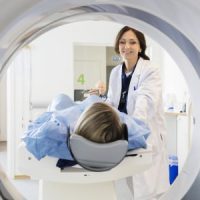
A normal brain scan can bring relief after a serious accident. When doctors find no bleeding, swelling, or other visible damage, it is natural to hope that the worst has been avoided. But for someone who continues experiencing headaches, dizziness, memory problems, or difficulty concentrating, that relief can quickly turn into confusion. The test results appear reassuring, yet something still feels wrong.
Traumatic brain injuries do not always produce changes that conventional imaging can detect. A person may leave the emergency room with normal CT results and later struggle with symptoms that disrupt work, relationships, and everyday activities. Working with an experienced South Jersey traumatic brain injury lawyer can help establish how an accident caused neurological harm that may not appear on conventional brain scans.
What CT Scans Can Reveal After a Head Injury
Following a serious car accident, fall, or other traumatic incident, emergency physicians may order a computed tomography (CT) scan to look for injuries requiring immediate medical attention. CT imaging is particularly useful for detecting bleeding inside the skull, certain skull fractures, and other structural abnormalities that could require urgent treatment.
A normal CT scan indicates that the examination did not identify the abnormalities it was designed to detect. It does not establish that every aspect of brain function is normal. A concussion can occur when a sudden impact or rapid movement disrupts the brain’s normal functioning without causing damage visible on conventional imaging.
During a motor vehicle collision, the head may accelerate, decelerate, or rotate violently, even without striking the dashboard or window. Similar forces can occur in pedestrian accidents, bicycle crashes, and serious falls. A person may remain conscious throughout the incident and have no visible injury to the head, yet still suffer a traumatic brain injury.
Why an MRI May Also Appear Normal
Magnetic resonance imaging (MRI) provides more detailed images of brain tissue than a CT scan and can reveal certain injuries that CT imaging may miss. Physicians sometimes recommend an MRI when neurological symptoms persist or additional information is needed about possible structural damage.
Conventional MRI has limitations, however. Some traumatic brain injuries involve disruptions in neurological function or microscopic changes that are not visible on routine scans. Persistent headaches, cognitive difficulties, and other post-traumatic symptoms can occur even when an MRI reveals no obvious structural abnormality.
The timing of imaging and the nature of the suspected injury also influence what doctors can identify. An MRI performed after the initial emergency evaluation may reveal abnormalities that were not apparent on an earlier CT scan, but neither examination provides a complete assessment of brain function.
How Doctors Diagnose a Traumatic Brain Injury Without Visible Imaging Findings
Diagnosing a traumatic brain injury involves more than reviewing the results of a CT scan or MRI. Physicians consider the circumstances of the accident, symptoms experienced immediately afterward, and changes in neurological functioning. An examination may assess balance, coordination, vision, memory, attention, and the ability to process information.
When cognitive difficulties persist, neurologists and neuropsychologists may examine concentration, learning, and processing speed. Previous concussions, migraines, sleep disorders, and other conditions can produce overlapping symptoms, so doctors may also compare functioning before and after the accident to assess whether the findings are consistent with the reported trauma.
Symptoms sometimes become more apparent after returning to work or resuming familiar activities. Persistent headaches, dizziness, memory problems, or unusual fatigue warrant medical follow-up, even when initial imaging showed no structural injury. Follow-up examinations allow physicians to assess changes in neurological functioning and determine whether further treatment is needed. Worsening headaches, repeated vomiting, seizures, or increasing confusion require emergency medical attention.
The Difficulties of Recovering When Brain Scans Look Normal
One of the most frustrating aspects of a traumatic brain injury without visible imaging findings is the difference between how someone appears and how they feel. Friends, coworkers, and even family members may assume recovery is complete because there are no obvious physical injuries.
Someone who previously managed a demanding work schedule may begin struggling to follow conversations, remember instructions, or concentrate for extended periods. A few hours of activity may lead to exhaustion that was never an issue before the accident. Sensitivity to noise, disrupted sleep, and changes in mood can make familiar routines harder to maintain.
These difficulties can affect family relationships as well. A spouse may notice changes in patience or behavior, while children struggle to understand why a parent becomes tired or overwhelmed more easily. The uncertainty surrounding recovery can place considerable strain on a household.
Persistent dizziness may require vestibular rehabilitation, while memory and concentration difficulties can lead to cognitive therapy. Headaches and other neurological symptoms may require additional treatment tailored to the symptoms and their effects on daily functioning.
Proving a Brain Injury Claim When CT and MRI Results Are Normal
Establishing responsibility begins with what caused the accident. A distracted driver, an unsafe property condition, or another preventable hazard may have contributed to the traumatic event. The evidence must also connect that event to the brain injury and its consequences.
Medical records can help establish when neurological symptoms first appeared and how they developed. Treating physicians and qualified specialists may explain the clinical findings, the effects of the trauma, and the relationship between the accident and the diagnosed impairment.
Evidence of changes in work performance or daily responsibilities can provide additional context. Employment records may show reduced hours, missed assignments, or difficulty returning to previous duties. Observations from coworkers and relatives can describe changes that were noticeable after the accident.
A normal scan does not prevent a traumatic brain injury claim, but it does not establish the injury’s existence or cause. Medical findings and other reliable evidence must support the connection between the accident and the reported neurological limitations.
Compensation and New Jersey’s Permanent Injury Requirements
Normal brain imaging does not automatically prevent someone from seeking compensation for an accident-related traumatic brain injury. Medical expenses, lost income, reduced earning capacity, and the physical and emotional consequences of the injury may all be relevant to a personal injury claim. The available damages depend on the circumstances and any applicable insurance restrictions.
For certain motor vehicle accident claims, New Jersey’s limitation-on-lawsuit option under N.J.S.A. 39:6A-8 restricts compensation for pain and suffering unless the injury meets a qualifying statutory category. Claims based on permanent injury require physician certification supported by objective clinical evidence.
An abnormal CT or MRI is not an absolute requirement for establishing a permanent injury under this provision. However, a concussion diagnosis or continuing symptoms alone do not automatically satisfy the statutory threshold. The medical evidence must support the claimed permanency, even when conventional scans appear normal.
Filing Deadlines When Brain Injury Symptoms Persist
A normal CT or MRI can leave someone searching for answers long after an accident. Neurological appointments, cognitive assessments, and treatment may continue while doctors work to understand whether persistent symptoms are temporary or lasting. That process can extend well beyond the initial hospital visit.
Under N.J.S.A. 2A:14-2, most New Jersey personal injury lawsuits must be filed within two years after the claim accrues, ordinarily the accident date. Certain exceptions may apply, but ongoing medical evaluations or uncertainty about recovery do not automatically extend the filing deadline.
Someone may still be receiving treatment or waiting for a clearer prognosis as that deadline approaches. The absence of an abnormal scan does not mean that the legal time limit begins only when a traumatic brain injury is definitively diagnosed.
When an Insurance Company Relies on Normal Imaging to Dispute a Brain Injury
A normal CT or MRI report may become the focus of an insurance company’s assessment, even when treating professionals have documented neurological symptoms and limitations. An insurer may argue that the absence of visible structural damage is inconsistent with the severity or duration of the reported injury.
For someone struggling to maintain employment or manage daily responsibilities, having the consequences of an accident reduced to a normal scan can be particularly frustrating. Medical records, specialist findings, and documented changes in functioning may present a more complete account of the injury than imaging results alone.
Guidance from an experienced South Jersey traumatic brain injury attorney can help bring the full medical picture into focus when an insurance company relies on normal imaging results to question the severity of an injury.
Contact Monaco Law About a Traumatic Brain Injury
If you or someone you love continues to experience neurological symptoms despite normal CT or MRI findings, the uncertainty can be difficult to manage. Persistent headaches, memory problems, and other changes can interfere with work and family life even when the initial hospital tests appeared reassuring.
Monaco Law PC represents clients affected by traumatic brain injuries throughout South Jersey, including Burlington, Camden, Gloucester, Atlantic, and Cumberland counties. Contact Monaco Law PC for a free consultation to speak with an experienced South Jersey traumatic brain injury lawyer and learn how we can pursue compensation for the harm caused by another party’s negligence.
Source:
- Centers for Disease Control and Prevention (CDC) – About Mild TBI and Concussion https://www.cdc.gov/traumatic-brain-injury/about/index.html
- Centers for Disease Control and Prevention (CDC) – Symptoms of Mild TBI and Concussion https://www.cdc.gov/traumatic-brain-injury/signs-symptoms/index.html
- New Jersey Revised Statutes – N.J.S.A. 39:6A-8, Limitation on the Right to Noneconomic Loss https://law.justia.com/codes/new-jersey/title-39/section-39-6a-8/
- New Jersey Revised Statutes – N.J.S.A. 2A:14-2, Personal Injury Statute of Limitations https://lis.njleg.state.nj.us/nxt/gateway.dll/statutes/1/112/308
