
When GPS Navigation Causes a Distracted Driving Accident
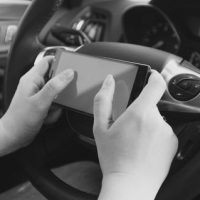
Missing a highway exit should be a minor inconvenience, not the cause of a serious car accident. Yet a motorist who suddenly changes lanes to follow GPS directions or looks away from traffic to adjust a route can cause a devastating collision. For someone struck by that vehicle, a few seconds of distraction can result in painful injuries, extensive medical treatment, and months of uncertainty about their recovery.
GPS navigation has become part of everyday driving throughout South Jersey, particularly along busy highways and unfamiliar local roads. Although these systems make travel easier, a driver who becomes absorbed in navigation instructions may overlook a hazard directly ahead.
A GPS-related collision can leave serious questions about what the other driver was doing before impact, especially when distraction is denied. Early guidance from an experienced South Jersey distracted driving accident lawyer can help uncover the circumstances behind the crash and identify the legal options available.
How GPS Navigation Can Lead to Serious Car Accidents
GPS navigation can divert a motorist’s attention even when no phone is being held. The National Highway Traffic Safety Administration (NHTSA) identifies visual, manual, and cognitive distractions as threats to safe driving. Entering a destination, reviewing a map, or changing a route can involve all three, taking attention away from nearby vehicles, traffic signals, and pedestrians.
Last-minute directions can create particularly dangerous situations. On Interstate 295 or the Atlantic City Expressway, a motorist approaching an unfamiliar exit may suddenly brake or cross multiple lanes rather than continue to the next exit. Along South Jersey’s commercial corridors, someone searching for an address may overlook stopped traffic or turn across an intersection without noticing an approaching vehicle. These unpredictable movements can cause rear-end collisions, sideswipe accidents, and serious intersection crashes.
Built-in navigation displays and voice commands can also interfere with concentration. Although hands-free technology reduces physical interaction with a device, a driver may still become preoccupied with complicated instructions or spend too long studying a dashboard map. Surrounding motorists have no warning that someone nearby has stopped paying attention, leaving them little opportunity to avoid a collision when the distracted driver makes a dangerous mistake.
When GPS Distraction Makes a Driver Liable Under New Jersey Law
Following GPS directions does not excuse a motorist who makes an unsafe lane change, overlooks stopped traffic, or causes a collision while concentrating on a navigation screen. New Jersey law addresses both prohibited electronic-device use and careless driving, although not every GPS-related accident involves a cellphone violation.
Under N.J.S.A. 39:4-97.3, New Jersey generally prohibits the use of handheld wireless telephones and electronic communication devices while operating moving vehicles on public roads, subject to limited exceptions. Qualifying hands-free use is permitted when the device does not interfere with required safety equipment and the motorist exercises a high degree of caution. In State v. Troisi, the New Jersey Appellate Division upheld a conviction involving a driver who entered a passcode, opened Google Maps, and positioned the cursor in the application’s search field while driving. The court found that the multiple keystrokes exceeded the limited cellphone interactions permitted by the statute.
GPS distraction can also support a negligence claim when the navigation system was being used lawfully. New Jersey’s careless driving statute, N.J.S.A. 39:4-97, addresses driving without due caution in a manner that endangers, or is likely to endanger, people or property. A driver distracted by spoken directions or a dashboard map may still be responsible for injuries caused by an unsafe maneuver or failure to observe traffic. An injured motorist can pursue a civil claim when the evidence supports negligence, even if the other driver received no traffic citation.
Proving That GPS Distraction Contributed to the Collision
A driver who caused an accident while looking at GPS directions may never admit being distracted. The police report might describe an abrupt lane change or failure to brake without explaining what drew the motorist’s attention away from traffic. Someone injured in the collision may have no way of knowing what the other driver was doing inside the vehicle moments before impact.
Some smartphones and vehicle navigation systems retain information about destination searches, route changes, or interactions with navigation controls. A record showing that someone entered a new address shortly before a collision may be relevant, although ordinary GPS location history does not prove distraction. Navigation applications can track a vehicle’s route without the driver touching the device, and the information available varies among systems.
Dashcam footage, nearby surveillance recordings, and witness statements may reveal the driver’s behavior before impact. Vehicle event data recorders can sometimes show speed and braking activity, although they generally cannot identify the source of a distraction. Valuable records can disappear quickly as surveillance footage is overwritten, electronic information is deleted, or damaged vehicles are repaired. Losing evidence of the driver’s conduct can make it harder to challenge an account that places blame elsewhere.
Injuries and Compensation After a GPS-Related Accident
A collision involving a distracted driver can leave someone with traumatic brain injuries, spinal damage, fractures, or serious neck and back injuries. Treatment may involve surgery, physical therapy, and months away from work. Even after the initial injuries begin to heal, persistent pain or reduced mobility can interfere with everyday responsibilities and activities that once seemed routine.
The financial impact can be equally difficult. Lost income and continuing medical needs may strain a household already coping with the uncertainty of recovery. Under New Jersey law, people injured by another driver’s negligence may be eligible to seek compensation for lost earnings, reduced earning capacity, pain and suffering, and other recoverable losses.
New Jersey’s automobile insurance rules also affect injury claims. Personal injury protection (PIP) generally covers qualifying medical expenses regardless of who caused the collision, subject to applicable policy terms and limits. Under N.J.S.A. 39:6A-8, motorists subject to the limitation-on-lawsuit option generally must establish a qualifying injury to recover damages for pain and suffering. Medical records documenting the severity of an injury, continuing symptoms, and future treatment needs can be particularly valuable when pursuing compensation for a lengthy or permanent disability.
When an Insurance Company Disputes Responsibility
An insurance company may challenge a GPS-related accident claim even when its insured driver made a dangerous maneuver. The insurer might attribute the collision to confusing road conditions, deny that navigation activity caused the crash, or argue that the injured person could have avoided the impact. These allegations can leave someone recovering from serious injuries facing an additional dispute over compensation.
New Jersey follows a modified comparative negligence system under N.J.S.A. 2A:15-5.1. An injured person may generally recover damages when their share of negligence does not exceed that of the defendant or the combined negligence of the defendants against whom recovery is sought. Any recovery is reduced by the injured person’s percentage of fault. Disagreements over which vehicle had the right of way, whether a lane change was safe, or how much time another motorist had to react can influence the amount ultimately recovered.
When an insurance company attempts to shift blame after a GPS-related crash, working with a knowledgeable South Jersey distracted driving accident lawyer can help challenge unsupported allegations of shared fault and protect the value of a serious injury claim. With serious injuries and substantial financial losses at stake, accepting an insurer’s account of the collision without addressing disputed responsibility could leave significant losses uncompensated.
Contact Monaco Law About a Distracted Driving Accident
If another driver’s GPS distraction caused your injuries, you deserve someone prepared to stand up for you when an insurance company refuses to offer fair compensation. You have enough to manage during recovery without being pressured into a settlement that falls short of your losses.
Monaco Law PC represents people injured in distracted driving accidents throughout South Jersey, including Camden, Burlington, Gloucester, and Atlantic counties. Contact Monaco Law PC to speak with an experienced South Jersey distracted driving accident lawyer and learn how we can pursue the financial recovery needed to cover your losses and support your future.
Source:
- National Highway Traffic Safety Administration (NHTSA) – Distracted Driving https://www.nhtsa.gov/risky-driving/distracted-driving
- New Jersey Motor Vehicle Commission – Just Drive: Distracted Driving Laws and Safety https://www.nj.gov/mvc/justdrive/index.html
- New Jersey Courts – State v. Troisi, Appellate Division, March 9, 2022 https://www.njcourts.gov/court-opinion/state-of-new-jersey-vs-michelangelo-troisi-2019-22-mercer-county-and-statewide
- New Jersey Revised Statutes – N.J.S.A. 39:4-97.3, Wireless Telephones and Electronic Communication Devices https://law.justia.com/codes/new-jersey/title-39/section-39-4-97-3/
- New Jersey Revised Statutes – N.J.S.A. 39:4-97, Careless Driving https://law.justia.com/codes/new-jersey/title-39/section-39-4-97/
- New Jersey Revised Statutes – N.J.S.A. 39:6A-8, Limitation on Lawsuit https://law.justia.com/codes/new-jersey/title-39/section-39-6a-8/
- New Jersey Revised Statutes – N.J.S.A. 2A:15-5.1, Comparative Negligence https://law.justia.com/codes/new-jersey/title-2a/section-2a-15-5-1/
