
New Jersey’s Safe Passing Law and Its Role in Bicycle Accident Claims
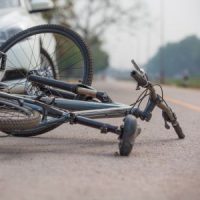
A cyclist traveling along a South Jersey road may have little room to maneuver when a vehicle approaches from behind. A driver who attempts to pass without leaving enough space can strike the bicycle, force the rider toward a curb, or cause a serious crash without making contact at all. With little protection against the force of a moving vehicle, a cyclist can suffer serious injuries that require months of treatment and recovery.
New Jersey’s Safe Passing Law establishes specific precautions for motorists overtaking cyclists, including requirements for changing lanes, maintaining adequate clearance, and slowing down when passing cannot otherwise be completed safely.
These protections are particularly important on narrow roads where cyclists must share limited space with passing traffic. A careful review by an experienced South Jersey bicycle accident lawyer can help determine whether a driver’s failure to provide enough passing space contributed to the crash.
New Jersey’s Safe Passing Law
New Jersey’s Safe Passing Law took effect on March 1, 2022, and was amended in May 2024. Under N.J.S.A. 39:4-92.4, motorists approaching and passing cyclists in areas designated for bicycle travel must exercise due caution. The precautions depend on the amount of roadway space available and the surrounding traffic conditions.
Where conditions allow, a motorist must change into a lane that is not adjacent to the cyclist. If a lane change is not possible, the driver must leave at least four feet of clearance while approaching and passing the bicycle.
The law also addresses situations where neither option is possible. If changing lanes or maintaining four feet of clearance is impossible, prohibited by law, or unsafe, the motorist must slow to 25 miles per hour or the lower posted speed limit and remain prepared to stop. Passing with less than four feet of clearance is permitted only if the maneuver can be completed safely, considering traffic, visibility, weather, vehicle size, and roadway conditions.
Slowing down does not give a motorist permission to crowd a cyclist. On a narrow South Jersey road, a driver may have to remain behind the bicycle until there is enough room to pass without putting anyone in danger.
How Unsafe Passing Leads to Bicycle Accidents
A motorist approaching a bicycle from behind may underestimate the space needed to pass. On a narrow roadway, even a small misjudgment can bring the vehicle dangerously close to the handlebars or rear wheel. The situation becomes more hazardous when oncoming traffic limits the room available for passing.
Some collisions occur after a motorist has already begun overtaking the bicycle. An approaching vehicle may prompt the driver to move back into the lane too soon, striking the cyclist or forcing the bicycle toward the shoulder. Parked cars create additional hazards, particularly along streets where riders need room to avoid opening doors and other obstructions.
Large delivery trucks, buses, and commercial vehicles present different risks because of their size. A driver who misjudges the vehicle’s width or moves back into the lane before fully clearing the bicycle can leave the cyclist directly in its path. The consequences can be especially severe when a rider is struck by a larger vehicle.
Other crashes occur without direct contact. A cyclist trying to avoid a passing vehicle may swerve onto loose gravel, strike a curb, or lose control near the edge of the pavement. The resulting fall can cause serious injuries even though the vehicle never touched the bicycle.
Holding Drivers Responsible for Unsafe Passing
A motorist who strikes a cyclist while passing on a narrow road may argue that there was no room to move over. Limited roadway space, however, does not excuse a dangerous maneuver. The driver may have had an opportunity to slow down, remain behind the bicycle, or wait until the opposing lane was clear.
Under N.J.S.A. 39:4-92.4, a violation of the Safe Passing Law can serve as evidence of negligence, but it does not automatically establish liability. The driver’s conduct must also be connected to the collision and the injuries. A crash caused by a dangerous passing maneuver may support a claim even if the motorist denies wrongdoing or insists that contact with the bicycle was accidental.
The statute imposes separate traffic penalties. A violation resulting in bodily injury carries a $500 fine and two motor vehicle penalty points. A violation without bodily injury carries a $100 fine and no points. These penalties do not compensate a cyclist for medical treatment, missed work, or lasting injuries. Civil responsibility can still arise even if the driver never receives a traffic citation.
Proving a Driver Passed Too Closely
A driver may insist that enough clearance was provided or claim the bicycle unexpectedly moved into the vehicle’s path. Photographs of the roadway, nearby traffic conditions, and the position of the bicycle may tell a different story.
Lane markings, narrow shoulders, parked vehicles, and roadside obstructions can show how much space was available for passing. Damage to the bicycle or vehicle may also help establish where the impact occurred. A bent wheel, damaged handlebars, or marks along the side of a vehicle can reveal details that were difficult to observe during the collision.
Witnesses may recall seeing a motorist attempt to overtake a bicycle despite approaching traffic. Dashboard camera recordings and surveillance footage from nearby businesses may show the vehicle’s movements before the crash. Because recordings can be overwritten, securing available footage and witness information early can be particularly valuable.
Crashes without direct contact may require closer attention to the cyclist’s movements immediately before the fall. Tire marks, damaged bicycle components, and witness accounts may help explain why the rider swerved or lost control. Repairs to the bicycle or changes to the accident scene can make those circumstances harder to establish later.
When a Driver Blames the Cyclist
Insurance companies sometimes attempt to shift responsibility after a bicycle accident. A driver may claim the cyclist was riding too far from the edge of the roadway, changed direction unexpectedly, or failed to leave enough room for passing traffic.
New Jersey follows a modified comparative negligence standard under N.J.S.A. 2A:15-5.1. A cyclist may recover damages when their share of negligence is not greater than the combined negligence of the parties from whom recovery is sought. Any award is reduced by the cyclist’s percentage of fault. For example, a finding of 20 percent responsibility would reduce the damages award by 20 percent.
Cyclists have legitimate reasons for moving away from the edge of the road. Potholes, drainage grates, broken pavement, parked vehicles, and debris can make riding near the shoulder unsafe. A sudden obstacle may leave little time to adjust course, especially with a vehicle approaching from behind.
An allegation that the bicycle should have been farther to the right does not establish shared fault. The circumstances surrounding the cyclist’s position, along with the driver’s speed and passing maneuver, may support a different account of the collision.
The Lasting Impact of a Serious Bicycle Accident
A bicycle offers little protection against the force of a moving vehicle. A rider thrown onto the pavement may suffer fractures, head trauma, spinal injuries, or significant damage to the shoulders and joints. Recovery may involve surgery, physical therapy, and continuing medical treatment.
The effects can extend well beyond physical pain. Someone whose work requires lifting, standing, or driving may be unable to return for an extended period. Household responsibilities, caring for children, and activities that once felt routine can become difficult. For those facing permanent injuries, returning to life as it was before the crash may not be possible.
Medical expenses and lost wages are often only part of the financial burden. A bicycle accident claim may also involve future treatment costs, reduced earning capacity, pain and suffering, and other losses associated with the injuries. Additional rehabilitation or permanent physical limitations can continue to affect daily life long after the initial recovery.
A careful assessment by a skilled South Jersey bicycle accident lawyer can help identify the lasting effects of the collision, including physical limitations, changes in employment, and difficulties with everyday responsibilities that may continue long after the initial injuries have healed.
Contact Monaco Law About a Bicycle Accident
If you were injured in a bicycle accident caused by a driver who passed too closely, Monaco Law PC can help you seek accountability and compensation for your losses. At Monaco Law PC, we represent clients throughout South Jersey who have suffered serious injuries because of negligent drivers. We are committed to providing personal attention and strong advocacy when insurance companies dispute responsibility or attempt to minimize the value of a claim.
Contact Monaco Law PC to speak with an experienced South Jersey bicycle accident lawyer and learn how we can fight for compensation that reflects the medical care, lost income, and lasting consequences of a serious bicycle accident.
Source:
- New Jersey Legislature. N.J.S.A. 39:4-92.4 — Motor Vehicles Overtaking Certain Pedestrians and Persons Operating Bicycles and Personal Conveyances, as amended by P.L. 2024, c.11.
- https://pub.njleg.state.nj.us/Bills/2024/PL24/11_.HTM
- New Jersey Legislature. N.J.S.A. 2A:15-5.1 — Contributory Negligence; Elimination as Bar to Recovery; Comparative Negligence to Determine Damages.
- https://lis.njleg.state.nj.us/nxt/gateway.dll/statutes/1/112/352
- New Jersey Department of Transportation. Biking in New Jersey — Regulations.
- https://www.nj.gov/transportation/commuter/bike/regulations.shtm
